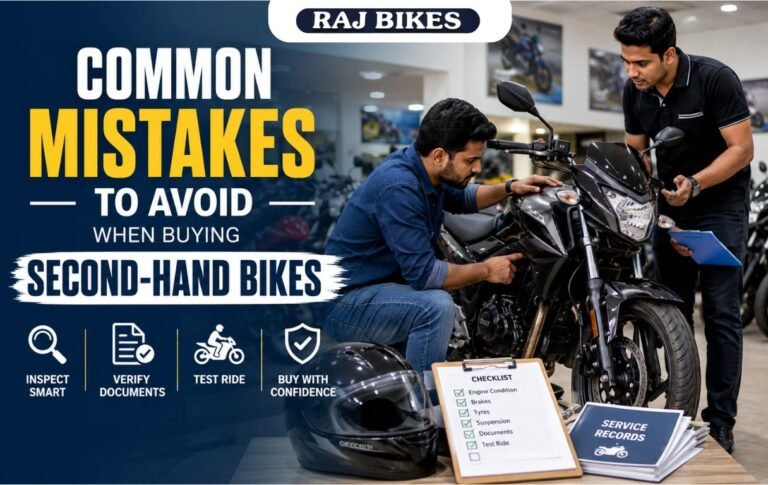
Buying a used bike is one of the smartest ways to own a quality motorcycle without spending a fortune. However, choosing a bike based only on its appearance or specifications can lead to expensive repairs and unnecessary stress. Instead, taking a test ride allows you to understand how the motorcycle performs on the road before making your decision.
Moreover, a test ride gives you the opportunity to inspect the engine, brakes, suspension, comfort, and handling under real riding conditions. As a result, you can identify hidden issues that may not appear during a visual inspection. Whether you are buying your first motorcycle or upgrading to a better model, understanding why test rides matter when buying used bikes will help you make a confident and informed purchase.
Why Is a Test Ride Important?
A motorcycle may look excellent in photos, but pictures cannot reveal its actual performance. Therefore, a test ride becomes one of the most important steps before buying a used bike.
During the ride, you can:
- Check engine performance.
- Evaluate riding comfort.
- Listen for unusual noises.
- Test the brakes and suspension.
- Assess handling and balance.
- Ensure the bike suits your riding style.
Ultimately, a test ride gives you confidence because you experience the motorcycle instead of relying only on the seller’s description.
1. Evaluate Engine Performance
First, pay close attention to how the engine performs from the moment you start the bike. A healthy engine should respond smoothly throughout the ride.
Check whether the bike has:
- A smooth engine start.
- Quick throttle response.
- Consistent acceleration.
- No excessive exhaust smoke.
- No knocking or rattling sounds.
- A stable idle.
If the engine struggles to perform smoothly, you should inspect it further before making a purchase.
2. Check Gear Shifting
Next, shift through every gear while riding. Smooth gear changes indicate that the transmission remains in good condition.
Pay attention to whether:
- The clutch operates smoothly.
- Gears shift without difficulty.
- Neutral is easy to engage.
- The gearbox produces unusual noises.
- The transmission slips under acceleration.
If every gear engages properly, the motorcycle likely received proper maintenance.
3. Test the Braking System
Equally important, test both the front and rear brakes carefully because they directly affect your safety.
During the ride, ensure that:
- The brakes respond immediately.
- The bike stops smoothly.
- The brake lever feels firm.
- The motorcycle remains stable while braking.
- No grinding or squeaking sounds occur.
Strong braking performance gives you greater confidence on the road
4. Inspect Suspension and Ride Comfort
After checking the brakes, ride over small bumps or uneven roads to evaluate the suspension.
Notice whether:
- The front suspension absorbs shocks smoothly.
- The rear suspension provides proper support.
- The bike remains stable.
- Excessive bouncing occurs.
- The ride feels comfortable.
A well-maintained suspension improves comfort and control throughout every journey.
5. Listen for Unusual Noises
Meanwhile, keep your attention on any unusual sounds while riding. Many mechanical problems become noticeable only after the bike starts moving.
Listen carefully for noises coming from the:
- Engine.
- Chain.
- Brakes.
- Wheels.
- Suspension.
If you hear clicking, grinding, or metallic sounds, investigate the issue before purchasing the motorcycle.
6. Check Steering and Handling
In addition, evaluate how the motorcycle handles different road conditions.
Make sure:
- The handlebars stay straight.
- Steering feels smooth.
- The bike does not pull to one side.
- Cornering feels stable.
- Handlebar vibrations remain minimal.
Good handling makes riding safer and more enjoyable.
7. Assess Rider Comfort
Besides performance, rider comfort plays a major role in your overall experience.
During the test ride, evaluate:
- Seat comfort.
- Handlebar position.
- Footpeg placement.
- Riding posture.
- Overall riding confidence.
If the motorcycle feels comfortable from the beginning, you will enjoy riding it every day.
8. Verify Electrical Components
Furthermore, check the electrical system while the motorcycle is running because some issues only appear during operation.
Test the:
- Headlights.
- Brake lights.
- Turn indicators.
- Horn.
- Instrument cluster.
- Battery charging system.
A fully functional electrical system helps you avoid unexpected repair costs later.
9. Observe Overall Stability
Next, ride the motorcycle at different speeds to evaluate its overall stability.
Look for:
- Smooth acceleration.
- Straight-line balance.
- Stable cornering.
- No wobbling.
- Even weight distribution.
If the motorcycle remains stable throughout the ride, it usually indicates that the major components remain in good condition.
10. Build Confidence Before Buying
Finally, a test ride helps you decide whether the motorcycle truly meets your expectations.
Ask yourself:
- Does the bike feel comfortable?
- Does the engine perform well?
- Does the handling suit my riding style?
- Does the asking price match the bike’s condition?
- Would I enjoy riding this motorcycle every day?
If your answers remain positive, you can move forward with greater confidence.
Tips for a Safe Test Ride
Before taking a used motorcycle for a test ride, follow these important safety tips:
- Carry a valid driving license.
- Wear a certified helmet.
- Inspect the tires before riding.
- Ride in both city traffic and open roads whenever possible.
- Avoid aggressive acceleration.
- Ask the seller about anything unusual you notice.
Following these simple steps helps you evaluate the motorcycle safely and effectively.
Common Mistakes Buyers Should Avoid
Although many buyers inspect the motorcycle carefully, they often overlook important details during the test ride.
Avoid these common mistakes:
- Riding for only a few minutes.
- Ignoring strange noises.
- Skipping brake tests.
- Not checking every gear.
- Focusing only on the bike’s appearance.
- Buying without comparing multiple motorcycles.
By avoiding these mistakes, you reduce the chances of facing expensive repairs after your purchase.
Conclusion
In conclusion, taking a test ride is one of the most important steps when buying a used motorcycle. It allows you to evaluate the engine, brakes, suspension, handling, comfort, and overall performance under real riding conditions. Moreover, it helps you identify hidden mechanical issues before they become costly problems.
Instead of relying only on photos or the seller’s claims, always take the time to ride the motorcycle yourself. After all, a proper test ride gives you the confidence to make an informed decision, ensures the bike matches your riding needs, and helps you invest in a reliable used motorcycle with complete peace of mind.